

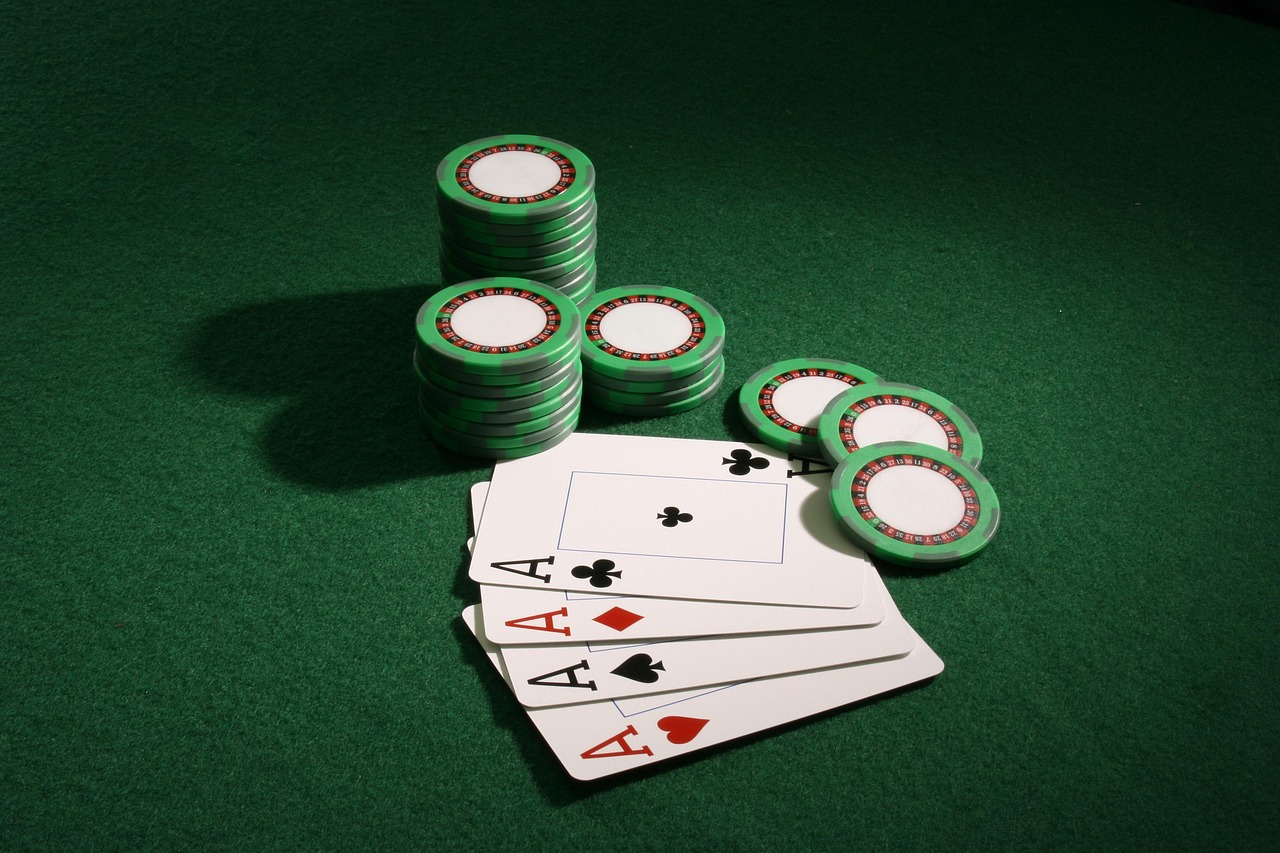
You know that rush when a slot machine pays out, or the tension of a final table? That's the beating heart of iGaming. But let's cut through the hype. This isn't another puff piece about how great online gambling is. I'm here to give you the straight dope—the mechanics, the math, and the mindset you need to actually enjoy this world without getting burned. Whether you're spinning slots, bluffing at poker, or sweating a parlay, understanding what's really going on changes everything.
Slots: Not Just a Pretty Face
Slots get a bad rap as mindless button-mashing. But walk into any online casino and you'll see why they're the undisputed king of iGaming, raking in over 70% of revenue in most markets. The secret? Volatility and RTP. A good place to continue is L'Avenue Dubai.
RTP, or Return to Player, is the percentage of all wagered money a slot pays back over millions of spins. A 96% RTP means for every $100 bet, the machine returns $96 on average—but that's long-term. In a single session, you could lose everything or hit a 5,000x jackpot. That's where volatility comes in. Low-volatility slots like Starburst pay small, frequent wins. High-volatility beasts like Bonanza can go 200 spins without a payout, then drop a massive multiplier.
Here's a concrete tip: check the game's paytable before you spin. Look for the max win and the hit frequency (often listed as "hit rate"). If you want a steady grind, stick to low volatility. If you're chasing a dream, go high—but set a strict loss limit. I've seen too many players blow a paycheck because they didn't understand the swing.
Poker: The Skill Game Hiding in Plain Sight
Unlike slots, poker isn't pure luck. It's a mind sport. The house doesn't play against you; you play against other people. The casino takes a rake—a small cut of each pot, usually 5% up to $3. That's their fee for hosting the game.
If you're new, start with micro-stakes cash games or low-buy-in tournaments. Don't jump into $5/$10 no-limit hold'em because you watched a YouTube highlight reel. The players there will eat you alive.
Key concepts you must internalize:
- Position: Acting last gives you more information. Play tighter early, looser on the button.
- Pot odds: If it costs $10 to call a $50 pot, you need at least 16.7% equity to break even. Learn the math.
- Bankroll management: Never buy into a cash game with more than 5% of your total poker bankroll. For tournaments, keep it under 2%.
One more thing: track your results. Use a free tool like a spreadsheet or a poker tracker. Most players overestimate their winnings. Data doesn't lie.
Sports Betting: Where Emotion Kills Profits
Betting on sports feels smart because you "know" football. But knowing the game and beating the spread are different animals. The bookmaker sets lines to balance action, not to predict the winner. Their profit comes from the vig—the commission built into the odds.
For example, a typical point spread might be -110 on both sides. That means you risk $110 to win $100. The bookmaker's theoretical hold is about 4.5%. To be a long-term winner, you need to hit 52.4% of your bets just to break even. Most casual bettors hit around 48-50%.
So how do sharp bettors win? They specialize. They focus on one league, one market (like player props or totals), and they line shop. Always compare odds across multiple sportsbooks. A half-point difference in the spread can turn a loss into a push or a win.
And for the love of all that's holy, avoid parlays unless you're doing it for fun. The house edge compounds with each leg. A 4-team parlay at +1000 might look juicy, but your true odds are often worse than 10%. Treat parlay bets like lottery tickets: entertainment, not investment.
Bankroll Management: The Unsexy Superpower
I don't care how good you are. Without bankroll management, you're a ticking time bomb. Here's a simple framework I've used for years:
- Separate your gambling bankroll from life money. Never dip into rent, savings, or grocery funds.
- Set a session limit. Decide in advance how much you're willing to lose—and stick to it. If you hit it, walk away.
- Use unit sizing. For slots, your unit is your bet size. Keep it at 0.5% to 1% of your bankroll per spin. For sports betting, 1-2% per play. For poker cash games, 5% buy-in max.
- Take breaks. After a big win or a brutal loss, step away for 24 hours. Tilt is the enemy.
This isn't about being a buzzkill. It's about staying in the game long enough to actually enjoy the swings.
Bonuses and Promotions: Read the Fine Print
Welcome bonuses are everywhere. "100% up to $500!" Sounds amazing. But look at the wagering requirements. A 35x rollover on a $500 bonus means you have to bet $17,500 before you can withdraw a cent. And many slots contribute only 50% toward that requirement. If you play blackjack, it might be 10% or zero.
Before claiming any bonus, ask:
- What's the playthrough requirement?
- What games count toward it?
- Is there a max cashout?
- How long do I have to meet the terms?
Sometimes a no-deposit bonus or a free spin offer is better than a huge match bonus. Do the math for your style of play.
The Bottom Line: Play Smart, Not Hard
iGaming offers incredible entertainment—if you treat it like entertainment. The slots are designed to be addictive, the poker tables are full of sharks, and the sportsbook always has an edge. Your job isn't to outsmart the system. It's to manage your own expectations, bankroll, and emotions.
My best advice? Pick one vertical—slots, poker, or betting—and go deep. Learn the odds, track your results, and never chase losses. The players who last aren't the ones with the biggest wins; they're the ones who know when to walk away. So set your limits, enjoy the ride, and remember: the house always has a plan. Make sure you have one too.