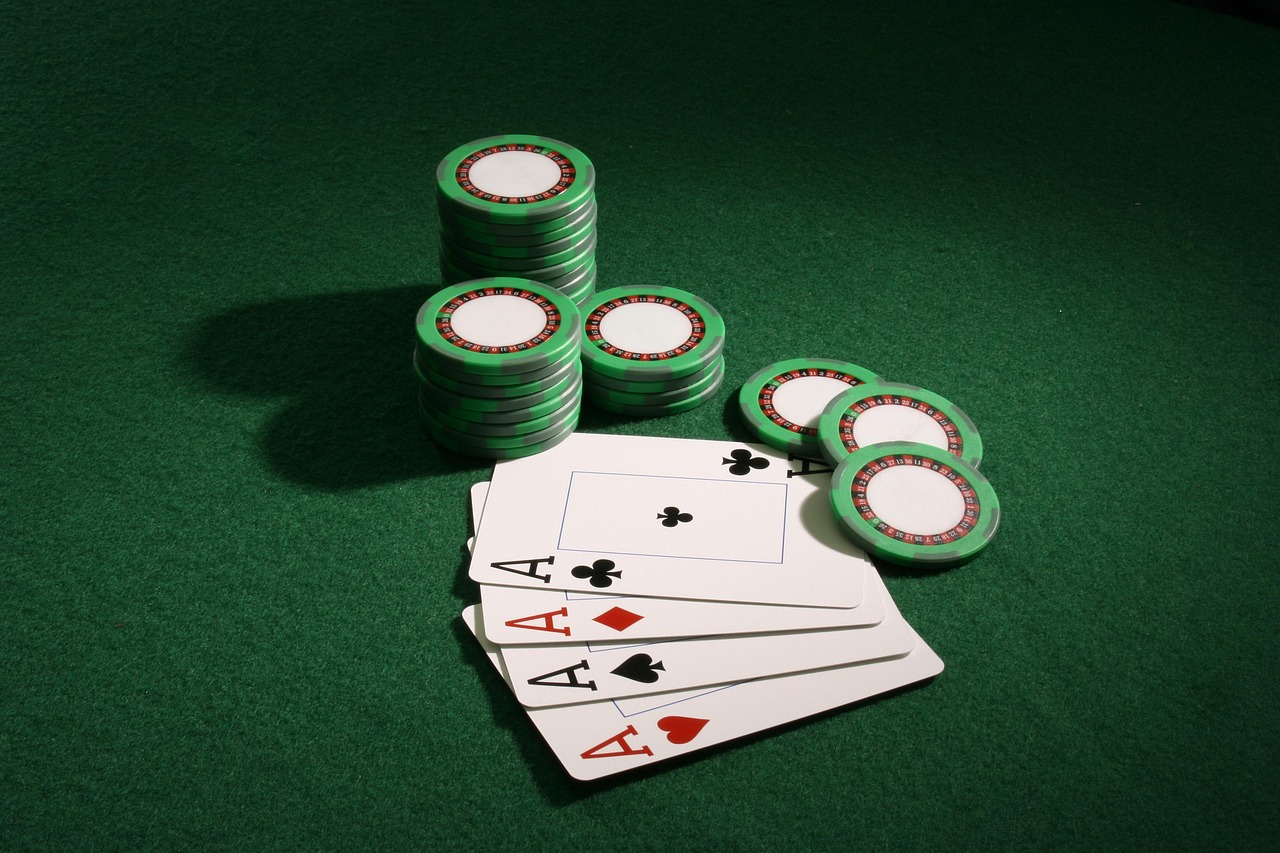


You deposit €50, claim a 100% bonus, and twenty minutes later your balance is gone. Meanwhile a friend playing the same game with the same stake seems to grind along for hours. Nothing is broken. Nothing is rigged. You have just met volatility, the single most misunderstood force in online slots — and the one number that should shape how you play more than RTP ever will.
Let's untangle it properly.
Volatility Is a Rate, Not a Rating
Most players treat volatility like a star rating: low is safe, high is exciting. That's backwards. Volatility describes the shape of a game's payout distribution over time. A high-volatility slot concentrates its return into rare, large wins. A low-volatility slot spreads it into frequent, smaller ones. Both can carry a 96% RTP. The casino's edge is identical. What changes is the ride.
A useful analogy is a coin-flip game paying 0.9x on heads. Flip once and you're down 10%. Flip a million times and you're down roughly 10%, with tiny wobble. Now imagine a game paying 96x on a 1-in-100 event. Same 96% RTP on paper, wildly different experience: long dry spells punctuated by explosions. That's the difference volatility makes.
Practical upshot: two slots with identical RTP can deplete a €100 balance in wildly different timescales. Volatility governs survival time; RTP governs long-run cost.
The Real Math: Variance Kills Bonus Balances
Wagering requirements punish high volatility ruthlessly. Suppose you take a €100 bonus with 30x wagering — you must stake €3,000 before withdrawing.
- On a low-volatility slot at €0.50 spins, you'll clear roughly 6,000 spins. Expected loss at 96% RTP is about €120. Brutal, but steady and predictable.
- On a 15,000x-max-win slot with the same spins, your balance might triple twice or vanish in 400 spins. The expected loss is the same, but the distribution is a chasm.
This is why savvy bonus hunters pair low-variance games with wagering requirements. Grinding out 30x on Book of Dead is a coin toss; doing it on a 1,000x-max 95% game is a slow bleed you can actually plan for. Volatility is where bankroll meets terms and conditions. We found pgslot to be a handy reference here.
Max Win Caps: The Hidden Variance Multiplier
Here's a detail most guides skip. Volatility isn't fixed at design time — it scales with the maximum win cap. A slot with a 5,000x cap behaves very differently from a reskin of the same math with a 50,000x cap, even if the RTP matches. The extra prize money has to come from somewhere, and it comes from the base game paying less frequently and more modestly.
Look at the published max win before you play. Anything above 10,000x tends to be a "dream shot" game: you'll see long dead stretches, and you should treat it as entertainment, not a cash-flow tool. Anything capped at 1,000x–2,000x is usually a grinder. Providers now publish volatility ratings — Pragmatic Play uses 1 to 5 — but the max win is the more honest number. A 5/5 label with a 2,000x cap and a 5/5 label with a 100,000x cap are not the same animal.
How to Test Volatility in 200 Spins
You don't need a spreadsheet to feel it. Use demo mode and run this quick audition:
- Set the stake to 1/500 of your intended bankroll. If you have €200 to play, spin at €0.40.
- Log how many dead spins occur in 200 — no win at all. Above 75%? You're in high territory.
- Count how many times your balance drops below 50% of the starting point in that session.
- Check whether the game's "big" mechanic (free spins, feature buy, expanding wilds) pays a multiplier of your total bet or a flat sum. Multiplier features are the high-variance tell.
This five-minute test tells you more than any provider label. A slot that eats 60% of your balance in 200 spins can still be great — you just need to know before you commit.
Building a Bankroll Around Volatility
Match the game to the goal:
- Session entertainment: low-to-medium volatility, 400 to 800 spins of expected play. A €50 budget at €0.10–0.20 spins can last a couple of hours.
- Bonus wagering: medium volatility, ideally 2,000x max win and up, wagering per spin calculated as €3,000 ÷ spins available.
- Chasing a jackpot: high volatility with a max win you actually want. Accept that 90% of sessions end at a loss; the 10% that don't carry the story.
One more field note: volatility doesn't compound across two tabs. Playing a grinder on one screen and a dream shot on another doesn't balance out — it just blends the distributions. Your bankroll sees the sum of both variances.
The Mindset Nobody Mentions
The psychological damage of high volatility is real and measurable: players on 15,000x games report "near-miss" frustration and tilt behavior far more often than on low-variance titles. If you catch yourself raising stakes after a 200-spin drought, stop. The game hasn't changed. Your perception has. Dead spins are the premium you pay for a shot at the multiplier — a planned cost, not a betrayal.
Think of it like choosing between a savings account and a scratch card with the same rake. Both are losing propositions by design, but one is a slow, manageable leak and the other is a bonfire. Choose the one that fits the evening you actually want to have. Volatility is a tool for matching expectation to reality — nothing more, nothing less. Understand it, and your €50 tells you exactly how long it can last before you press spin.